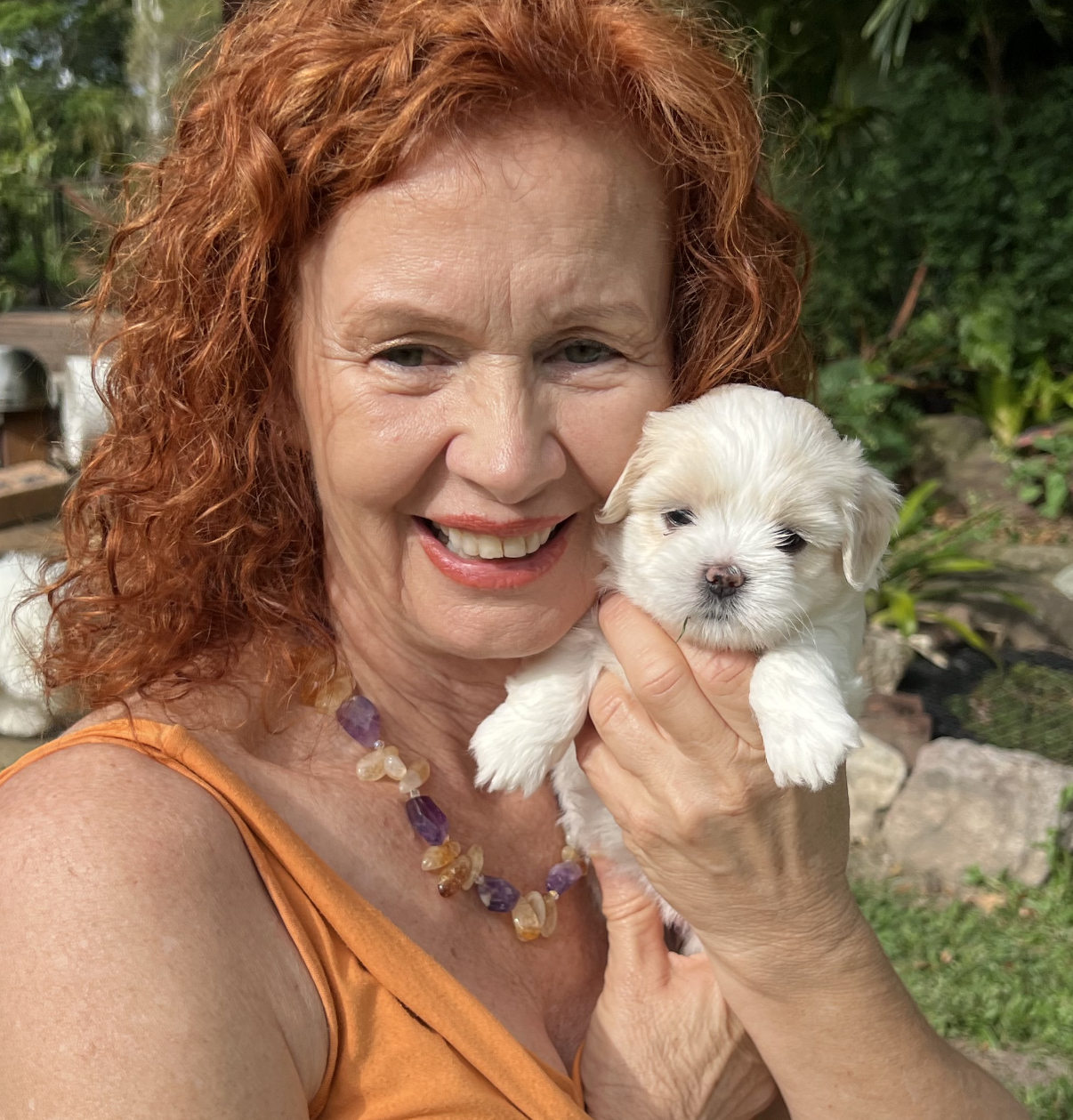

How to Choose an Ethical Dog Breeder: A Practical Checklist for Puppy Families
Bringing a dog into your family is a big decision. A responsible breeder improves your odds of a healthy dog with a stable temperament and provides support when questions come up. A poor breeder can lead to avoidable behavioural challenges, unexpected veterinary bills, and heartbreak.
This guide helps you evaluate breeders using practical signals: research, social media patterns, reviews, conversations with past puppy families, early development programs, and value alignment.
1) Start with your priorities (be honest)
Before contacting breeders, define what matters most to you:
A breed that suits your lifestyle, home, and energy level
A puppy raised in a safe, enriched environment
Long-term health and predictable temperament
Ongoing support from the breeder after you bring your dog home
Price matters, but choosing solely on price can cost more later through training needs, inherited health issues, or an unsuitable match.
2) Research the breeder like any major decision
Reputable breeders are typically consistent and transparent over time.
Look for evidence of:
deep knowledge of the breed (temperament, grooming, health risks)
clear communication and documented processes
a focus on long-term outcomes, not quick sales
3) Use social media as a pattern check (not proof)
Following breeders on Instagram or Facebook can help you see how they raise puppies and communicate.
Look for patterns such as:
clean, safe environments
age-appropriate enrichment and socialisation
respectful handling of puppies and adult dogs
transparent discussion of health, training, and puppy development
Social media can be curated. Use it as one input, not the final decision.
4) Speak to past puppy families and read reviews
One of the fastest ways to validate a breeder is to talk to people who already own a dog from them.
Ask past buyers:
how communication was before and after pickup
whether the breeder offered support when challenges came up
what their dog’s temperament is like now
whether health issues emerged and how the breeder handled it
Google reviews can help, but prioritise detailed reviews over short praise.
5) Ask about early development and socialisation programs
Early life experiences matter. Ask what the breeder does between birth and go-home.
Good signs include:
structured socialisation and exposure to normal household life
confidence-building activities suitable for the puppy’s age
temperament assessment and puppy-family matching
clear guidance for the first weeks at home
6) Confirm the “non-negotiables” (specific checks)
Ask direct questions. Ethical breeders can answer calmly and clearly.
Health testing
Ask what health tests are performed for the breed and look for verification through memberships like RightPaw.
Contracts and policies
Ask for a written contract and read it: responsibilities, health terms, and expectations.
Rehoming/return policy
Strong sign: the breeder will take the dog back or help rehome if circumstances change.
Temperament and matching
Ask how puppies are matched to families (not just “first paid picks first”).
Early neurological stimulation (ENS)
If they claim ENS, ask what protocol they use and when.
What’s uncertain: which exact tests and protocols are “best” varies by breed and country.
Next step: cross-check what the breeder lists against your local breed club guidance and a trusted veterinarian or verification through memberships for rare breeds.
7) Have a real conversation before committing
A breeder-family relationship should feel steady and respectful.
Assess:
whether your values align
whether the breeder is open, consistent, and patient
whether you feel supported, not pressured
8) Use organisations as a starting point, not a shortcut
Breed clubs and breeder groups can help you build a shortlist and understand standards. Membership alone does not guarantee quality. Use it as a starting point, then do the diligence above.